
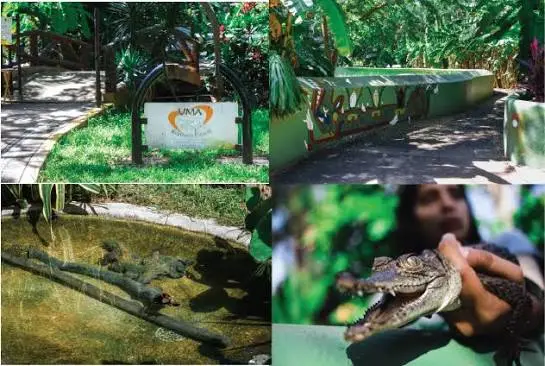
Puerto Vallarta is celebrated worldwide for its warm ocean waters, charming cobblestone streets, and glowing Pacific sunsets. Yet, beyond the traditional postcard views lies an intricate ecosystem of tropical dry forests, estuaries, and mangroves that shelters some of Western Mexico’s most diverse native wildlife. At the heart of this natural setting operates Reptilario Cipactli, a specialized research, rescue, and environmental education center that plays a vital role in preserving the ecological balance of Banderas Bay.
The Origins of Cipactli: Science Dedicated to Native Fauna
Located on the campus of the Centro Universitario de la Costa (CUCosta), part of the University of Guadalajara in the Ixtapa district, the reptile sanctuary was founded with a clear objective: to study, protect, and rehabilitate the native reptile species of coastal Jalisco and Nayarit.
Its name draws inspiration from pre-Hispanic mythology. In Nahuatl lore, Cipactli was the primordial sea creature—commonly depicted as a caiman or crocodile—from whose body the gods crafted the fertile earth.
Officially recognized as an authorized Wildlife Conservation and Management Unit (UMA, by its Spanish acronym), the center features specialized aqua-terrariums where biologists, veterinarians, and university researchers conduct assisted reproduction programs, egg incubation, dietary monitoring, and medical care for wild specimens affected by urban development or accidents.
Guardian of the American Crocodile (Crocodylus acutus)
The most iconic resident and primary subject of study at Cipactli is the American crocodile (Crocodylus acutus). Naturally inhabiting local estuarine systems such as the El Salado Estuary, Boca de Tomates, and the El Quelele lagoon, this species performs indispensable ecological functions:
-
Apex predator role: Crocodiles naturally regulate populations of fish, amphibians, crustaceans, and small mammals, preventing overpopulation and keeping coastal water bodies clean and balanced.
-
Hydrological maintenance: By carving pathways through thick mangrove swamps, crocodiles maintain open water channels that prevent silt buildup and create deep pools, which serve as essential freshwater refuges for other wildlife during the dry season.
At Cipactli, conservationists regularly monitor wild populations across the bay, rescue vulnerable hatchlings caught in river swells during heavy storms, and operate controlled egg incubation programs to ensure healthy juveniles can be safely released back into their natural habitats.
A Dedicated Sanctuary for Diverse Reptiles
While crocodiles often take center stage, the facilities also protect a variety of other endemic and vulnerable species native to Western Mexico:
-
Green Iguanas (Iguana iguana) and Black Spiny-Tailed Iguanas (Ctenosaura pectinata): Successfully bred within the sanctuary to support repopulation efforts in nearby protected reserves like El Salado.
-
Mexican Beaded Lizard (Heloderma horridum): One of the few venomous lizards on the planet, critically valuable for biological and pharmacological research.
-
Freshwater Turtles: Native species such as mud turtles and pond sliders protected from stream fragmentation and urban runoff.
-
Native Snakes: From boa constrictors to local rattlesnakes, which are humanely rescued from residential areas, medically examined, and safely relocated to protected wilderness zones.
Environmental Education: Fostering Peaceful Coexistence
One of Cipactli’s most lasting contributions is community outreach. Through educational tours and workshops organized for local schools, civil protection teams, and travelers interested in responsible ecotourism, the scientific staff dispels common myths surrounding local wildlife.
Understanding the behavior and daily habits of native reptiles encourages respect for their natural territories, promotes proper compliance with safety signage along waterways and estuaries, and reinforces the belief that thoughtful urban living can thrive alongside vibrant coastal ecosystems.
Experience Vallarta’s Natural Wonders During Your Stay
Exploring conservation centers like Reptilario Cipactli provides a deeper appreciation for the rich biodiversity that defines coastal Jalisco. After a day of learning and discovering the region’s wildlife, returning to the comfort of an intimate beachfront boutique hotel in the heart of the Romantic Zone offers the perfect balance between exploration and coastal relaxation.
Contact & Reservations — Pier 69 Hotel
- Address: Calle Rodolfo Gómez 111, Zona Romántica, Emiliano Zapata, C.P. 48380, Puerto Vallarta, Jalisco, Mexico.
- Website: www.pier69pv.com
- Phone: +52 322 222 3050
- WhatsApp: +52 322 208 6144
- Email: reservas@pier69pv.com